Fix Your Machine Before It Breaks & Save Thousands
If You Miss Your Machine's 'Whispers,' Repair Bills Will Scream
Hello, I'm Wang Jin-ho, Technical Director at 'Everyone's Machine.' From my base in Seongnam, I've made it my mission to protect the factories of business owners all across the country. Over the last 25 years, surrounded by the smell of machine oil, I've learned to have conversations with machinery, and I've discovered a fundamental truth: a machine will always send out subtle signals before it breaks down. My time studying electrical circuits at Ansan University and business at Sejong Cyber University led me to one powerful conclusion: the role of a 'Facility Diagnosis Expert'—someone who can interpret these signals—can fundamentally change a factory's entire cost structure. A perfect example of this is the common issue of faulty seals on packaging machines. It’s a problem that many business owners quickly write off as a sign of old age, leading them to consider expensive, and often unnecessary, replacements.
I'm not just a repair technician. Think of me as your dedicated 'Outsourced Maintenance System' and technical shield. While I may not be on-site at your factory every day, I am the one who meticulously diagnoses the health of your equipment, protecting you from excessive and unnecessary maintenance costs. My job isn't to just treat the symptoms you can see; it's to dig deeper, find the root cause of the problem, and restore your equipment to maximum efficiency with minimal expense.
Beyond Temperature & Pressure: 3 Real Culprits I Found on-Site
Not long ago, I visited a pharmaceutical company struggling with a pouch packaging machine where the seals would intermittently burst. The manufacturer's service team had recommended replacing the entire heater block assembly, a costly repair. However, when I used a thermal imaging camera for a precise measurement, I found the heater's temperature was perfectly within the normal range. The real problem was a minute contact failure in the 'thermocouple' sensor, the component that detects the temperature. The faulty sensor was reading a lower temperature than reality, causing the system to overcompensate and apply excessive heat, which weakened the seals. Instead of a part replacement costing thousands of dollars, the problem was completely solved by simply re-securing the sensor and tidying up the wiring.
Another case involved a small-batch coffee roastery. Their three-side seal packaging machine kept producing crooked vertical sealing lines. The owner was convinced the problem was with the sealing rollers and was ready to order new ones. However, I suspected the issue might lie with the 'timing belt' in the film feeding mechanism. My hunch was that its tension had degraded over time. Using a high-speed camera, we could see a micro-second delay in the film's movement, causing it to pull to one side just before being sealed. This tiny skew was the source of the sealing defect. A belt that cost just a few dollars to replace fixed the issue, saving the owner from buying expensive new rollers. This is a classic example of why comprehensive machine diagnostics are so critical.
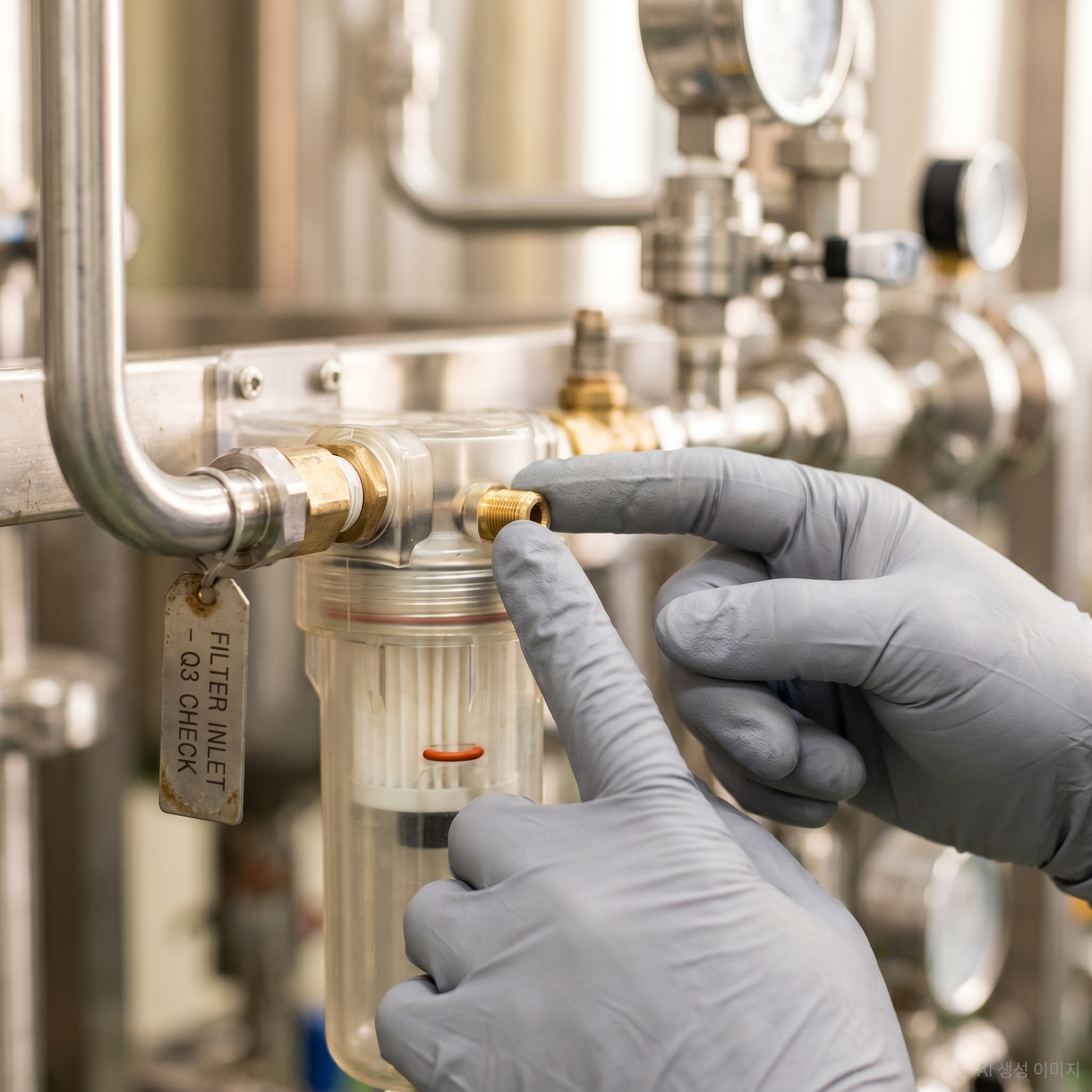
More recently, a production line for liquid stick packs was constantly triggering a low-pressure warning. The team had already replaced the pneumatic cylinder, but the problem persisted. I expanded my inspection to the entire pneumatic line, looking for the source system-wide. The culprit was in an unexpected place: the 'air filter,' which is responsible for removing moisture and oil from the compressed air. Its performance had degraded significantly. Contaminated air was entering the cylinder, preventing it from operating correctly and building sufficient pressure. This is what we 'Facility Diagnosis Experts' do: we look beyond the obvious parts and diagnose the entire system.

The Core of Cost Savings: How Our 'Outsourced Maintenance System' Works
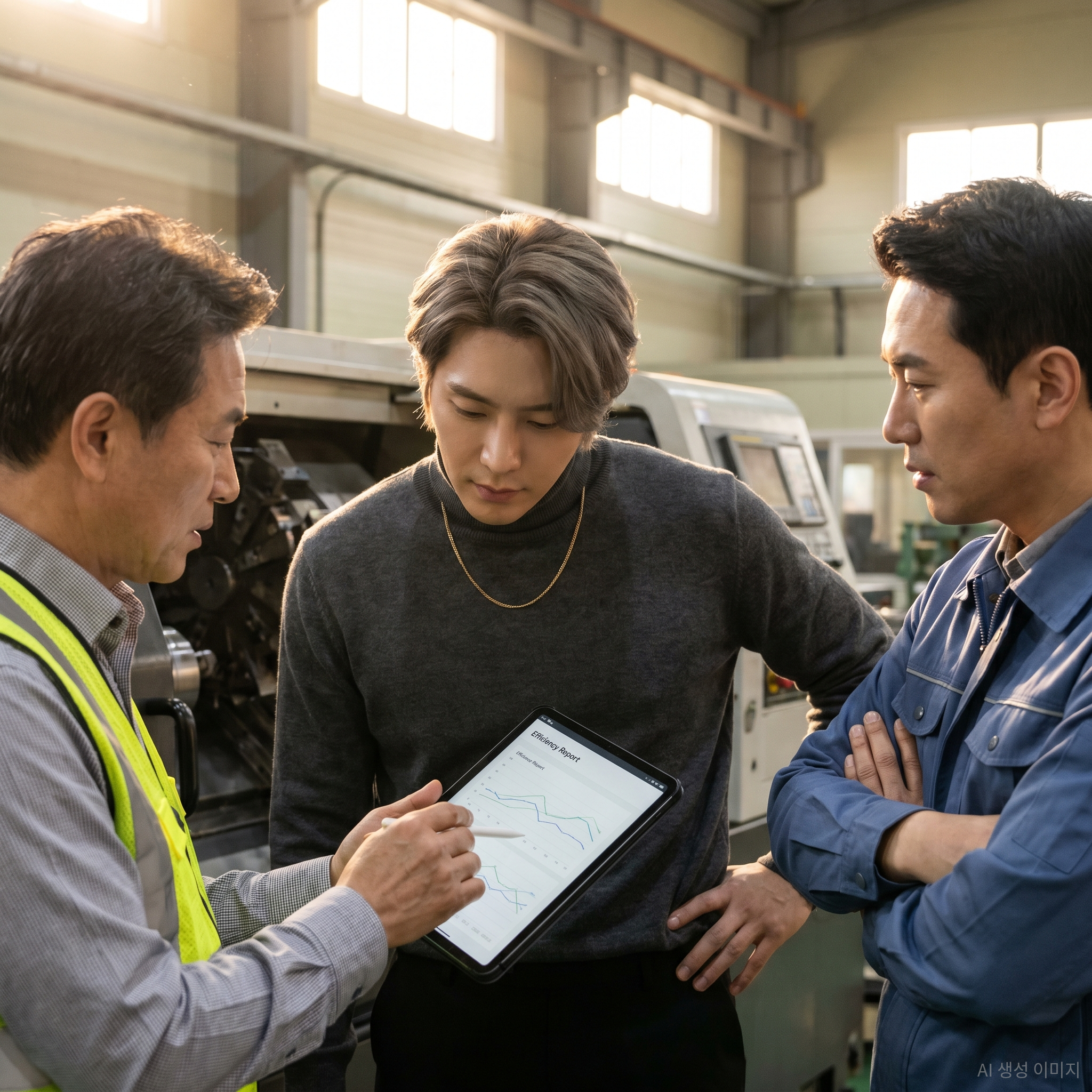
It's not financially feasible for every factory to maintain a full-time, skilled maintenance team. That's why I've poured my 25 years of experience into creating the 'Outsourced Maintenance System.' This isn't a passive service where you just call an expert when something breaks. It's an active, forward-thinking technical management solution designed specifically for your factory. Through regular on-site inspections, we identify potential problems before they escalate into failures and provide data-driven recommendations for optimal management. This is the very essence of systematic preventive maintenance.
Scheduled Inspections: We regularly visit your site to diagnose the condition of your key equipment, providing detailed reports that help prevent breakdowns before they happen.Data-Driven Consulting: We analyze your machinery's operational data to work with you on strategies for improving energy efficiency and boosting overall productivity.Emergency Response & Technical Advisory: When unexpected problems arise, we respond quickly to get you back up and running. We also provide objective advice on new equipment purchases, helping you avoid unnecessary capital investments.
━━━━━━━━━━━━━━━━
━━━━━━━━━━━━━━━━
Your Most Frequently Asked Questions
Q1. My machine is over 10 years old and feels worn out. Is it better to replace it as a preventive measure?
A. A machine's lifespan is determined less by its calendar age and more by its 'maintenance condition' and 'production load.' A well-maintained machine that's over a decade old can often continue to operate efficiently for many more years with a targeted overhaul or a few key component upgrades. A full replacement should be the absolute last resort, a decision made only after careful consideration of performance diagnostic data.
Q2. Are there any simple equipment management tips we can practice daily in our factory?
A. Absolutely. I highly recommend making a '5-Minute Check' a daily habit. Before starting production, take just five minutes to walk around the machine. Listen for any unusual noises that weren't there yesterday. Look for excessive vibrations or any signs of oil leakage. This simple routine can play a decisive role in catching major failures before they occur.
Q3. What's the difference between the manufacturer's A/S (After-Sales Service) and your 'Outsourced Maintenance System'?
A. A manufacturer's service team is often focused on repairing or replacing parts for their own specific products. Their solutions might naturally gravitate towards selling you new components from their catalog. In contrast, my role as an independent 'Facility Diagnosis Expert' is to find the most rational and economical solution from your perspective as the business owner. I'm not tied to any single brand. Sometimes, a simple adjustment, a creative repair, or even using a compatible part from a different manufacturer can be the better, more cost-effective answer.
Here in 2026, the shift towards factory automation and smart factories is an unstoppable trend. But even more important than adopting the latest technology is properly maintaining the health of the equipment you already rely on every single day. I will continue to be on the front lines, serving as a steadfast technical shield for business owners like you.
If you want to stop unnecessary spending with an accurate diagnosis, don't hesitate to call on me, Wang Jin-ho of 'Everyone's Machine.'


댓글
댓글 쓰기