Stop 'Firefighting' Your Factory Equipment Breakdowns
Are You Just 'Firefighting' When Your Factory Equipment Fails?
Hello. I'm Wang Jin-ho, the Technical Director at 'Everyone's Machine,' a company based near Seoul that serves the entire metropolitan area. When I visit factory owners on-site, I often start with a simple question. If a fire breaks out in your plant, you call the emergency services. But you also have a fire prevention system—sprinklers, alarms, extinguishers—to manage the risk before a disaster happens, right? Managing your equipment should be no different. The 'firefighting' approach—scrambling to fix a machine only after the fire of a breakdown has already started—is a guaranteed way to lose an incredible amount of money. For the past 25 years, I haven’t just been a repairman called in to put out fires. I’ve dedicated my career to being a 'fire prevention system designer,' an expert who diagnoses the root cause of a problem to prevent the next one from ever happening.
My journey began with a deep dive into the principles of electrical engineering at Ansan Technical College, which I later complemented with a degree in franchise management from Sejong Cyber University. This unique combination taught me to see machinery not as a collection of isolated parts, but as a vital, interconnected system directly tied to the factory's overall profitability. The Outsourced Maintenance System I've developed is built on this philosophy. My mission is simple: to serve as a 'Technical Shield' for your business, preventing your hard-earned capital from being consumed by unnecessary and avoidable expenses.
Diagnosis Changes Everything: A 25-Year Log of Equipment Rescues
These aren't just empty words. Let me show you how a single, accurate diagnosis can save tens of thousands of dollars. These are the moments that define my work and fill me with pride as an **Expert Diagnostician**.
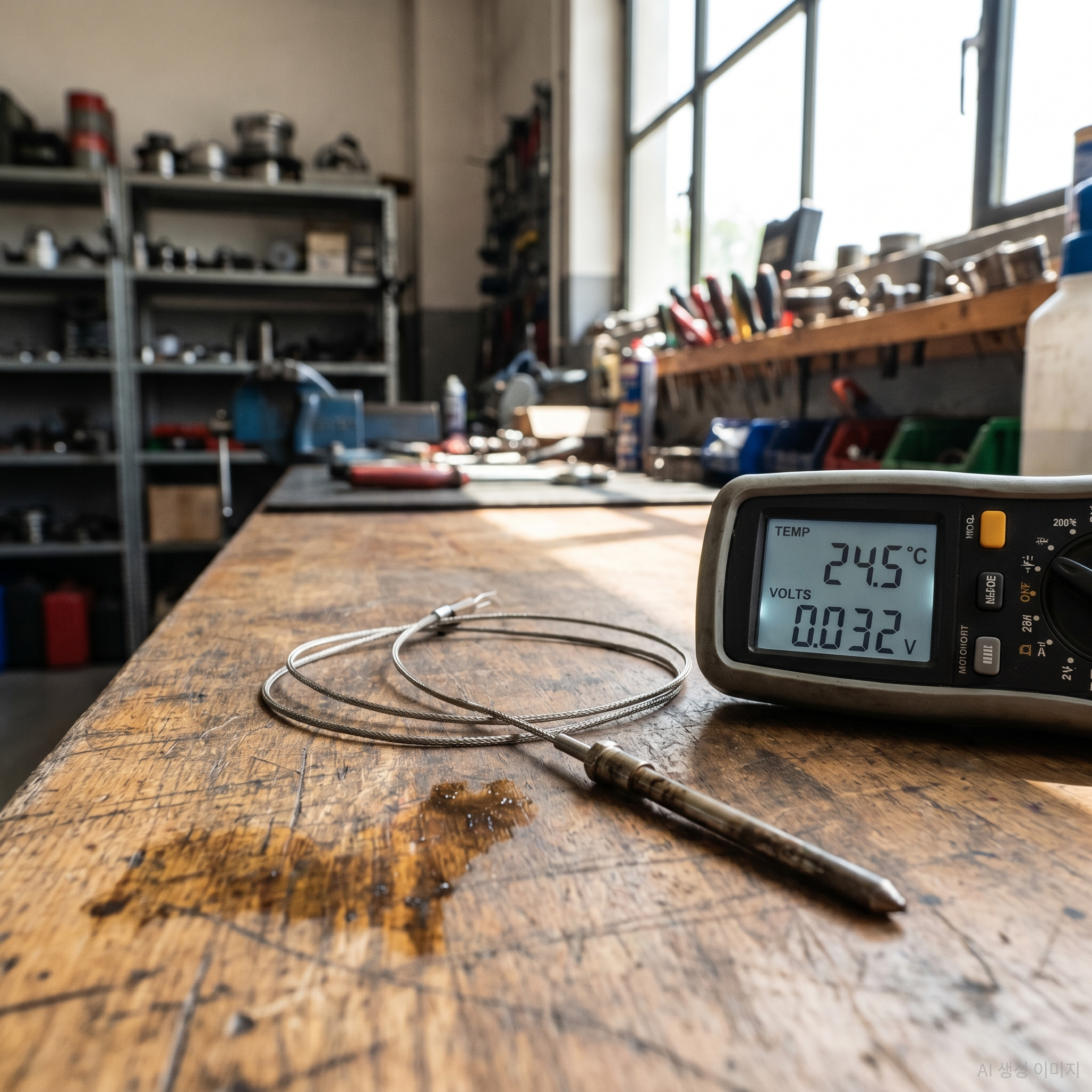
My first story comes from a food processing plant in Hwaseong. They were struggling with a three-sided packaging machine that was consistently failing to create a proper seal. Their product rejection rate was skyrocketing, and every faulty package was money straight down the drain. Before calling me, another repair company had diagnosed the problem as worn-out heating elements and a failing pneumatic press cylinder. Their quote for a full replacement was over $6,000. When I arrived, I decided not to touch a single tool for the first two hours. Instead, I analyzed the data: temperature logs, pressure readings, and cycle times. The true culprit was a tiny, malfunctioning 'thermocouple,' or temperature sensor. It was reporting a lower temperature than was actually being applied. In response, the operators kept cranking up the heat, causing the packaging film to overheat and melt. The real problem wasn't old parts; it was bad information. We replaced the sensor for about $120 and the problem vanished completely.
Another case took me to a cosmetics factory in Paju, where an automated capping machine was causing a nightmare. The torque it applied to bottle caps was all over the place—some were too loose, some were too tight. This led to product leaks and a surge in customer complaints, threatening their brand's reputation. The machine's manufacturer recommended their standard solution: replace the expensive servo motor. However, I had a hunch the motor itself was fine. I traced the pneumatic lines that powered the capping mechanism and discovered that the filter on the pressure regulator was clogged with microscopic debris. This tiny blockage was causing the air pressure to fluctuate, which in turn made the torque inconsistent. A thorough cleaning of the filter and a pressure recalibration fixed the issue perfectly. We not only saved the company thousands of dollars on a motor they didn't need, but by finding the hidden root cause, we ensured the problem would never return. This is the essence of true, effective **factory repair and maintenance**.
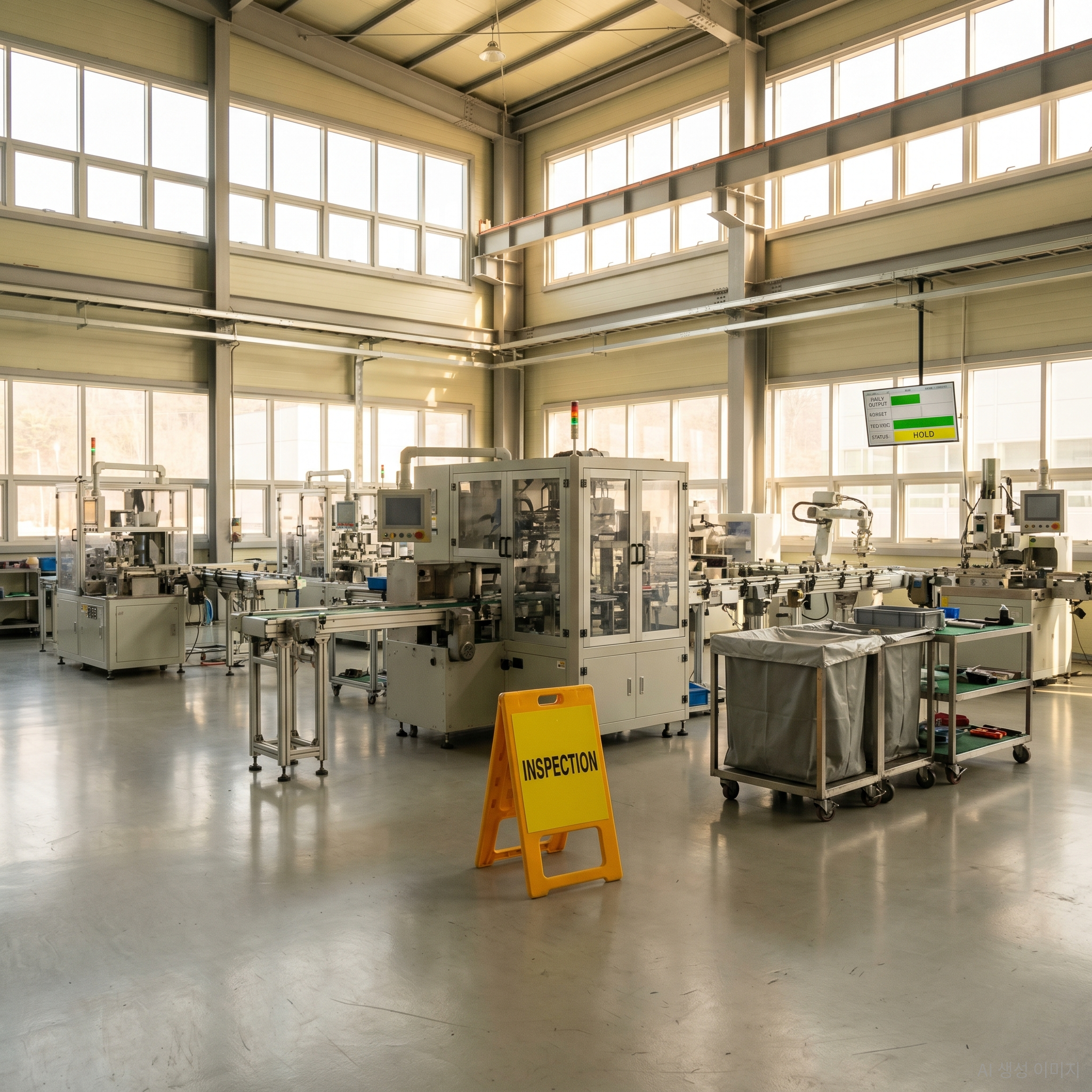
The Top 3 Questions I Hear from Business Owners
Based on my countless hours on factory floors, I've compiled the questions that I hear most often from owners and managers. I hope the answers provide a little insight you can apply to your own operations.
Q1. Besides emergency call-outs, what's the single most important thing I can do for routine machine care?
A. Create and use a 'Daily Inspection Checklist.' This doesn't have to be a complicated document. The goal is to build a habit of spending just five minutes before every shift actively observing and recording the state of your equipment. Simple items like 'Verify warm-up time was met,' 'Visually inspect key components for debris or loose fittings,' and 'Listen for any unusual noises or vibrations during operation' can prevent catastrophic failures. Think of it as a morning health check for your most valuable employees. This simple habit is the cornerstone of Preventive Maintenance (PM).
Q2. How can I reduce the risk associated with my foreign-made equipment when spare parts are hard to get?
A. The key is to proactively create a 'Critical Parts List' for that specific machine. You can't possibly stock every single spare part, but you absolutely must identify the components that represent a single point of failure—the parts that will shut down your entire line if they break. For these critical parts, you should either keep a minimum quantity in your inventory or, at the very least, have pre-vetted suppliers you can contact for immediate shipment. As an **Expert Diagnostician**, part of my service is to analyze your equipment's schematics and operational stress points to help you build this crucial list.
Q3. My factory is small. Won't an 'Outsourced Maintenance System' be an unnecessary expense?
A. It's actually the exact opposite. The smaller your operation, the more economical our system becomes. Consider the true cost of hiring a single, full-time skilled maintenance technician: a competitive salary, benefits, payroll taxes, retirement contributions, and ongoing training. It's a massive fixed cost on your books every single month. Our system operates on a 'sharing economy' model for industrial expertise. It converts that huge fixed cost into a predictable, manageable variable expense. You get access to a top-tier expert precisely when you need one, without the overhead. By preventing major breakdowns that could cost you tens of thousands in lost production, the system pays for itself many times over.
━━━━━━━━━━━━━━━━
━━━━━━━━━━━━━━━━
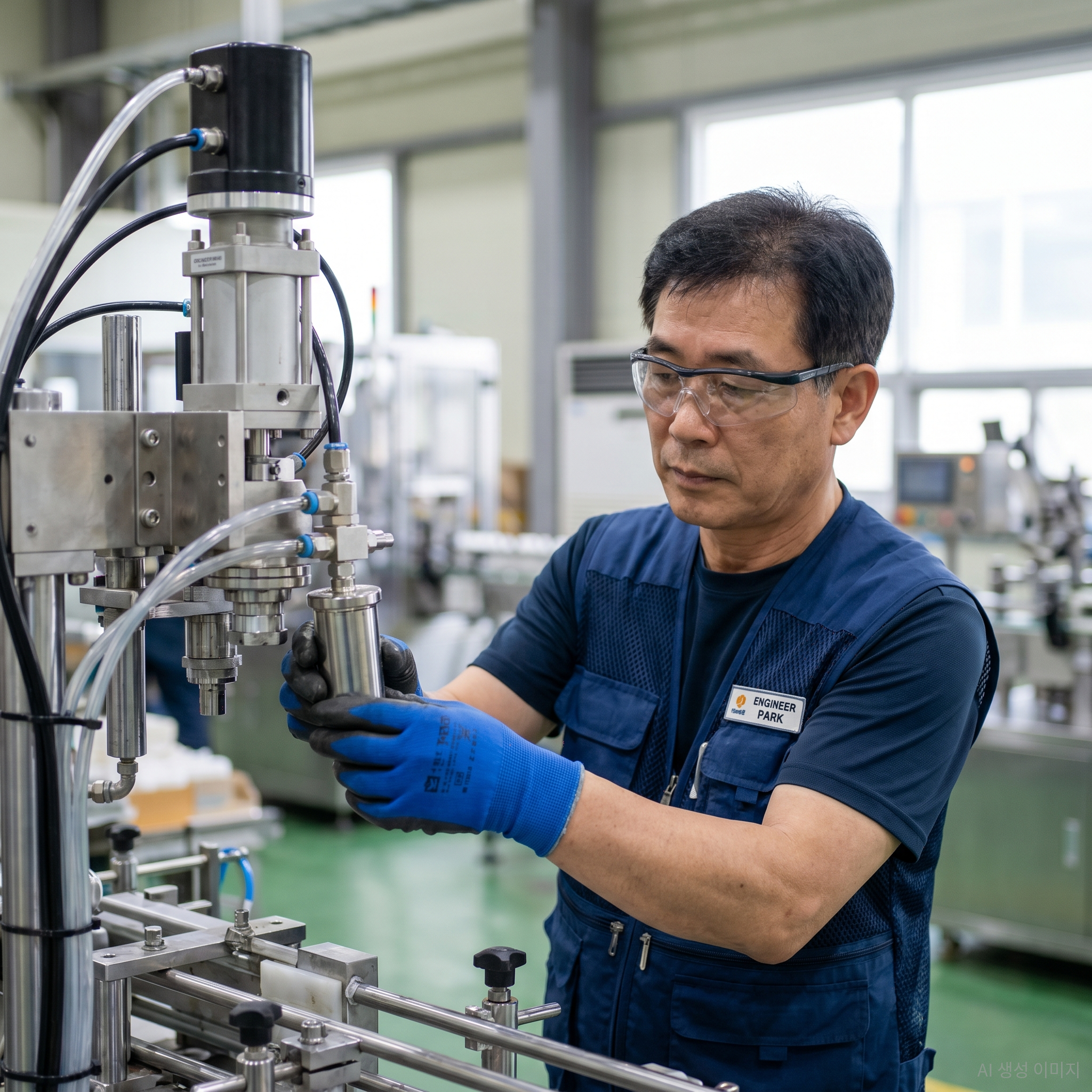
Your Technical Shield: The Most Powerful Cost-Reduction Tool You Have
Even here in 2026, with the most advanced **factory automation equipment** at our fingertips, the core principle of maintenance is timeless. It all comes down to 'accurate observation and precise diagnosis.' A machine never lies. It always sends out subtle signals before a major failure: a slight change in vibration, a minor temperature fluctuation, a new sound you can barely hear. My role—my entire purpose—is to interpret that language for you, to catch those whispers before they become a deafening roar that brings your production to a standstill.
So, I ask you: how did your equipment's condition today compare to its condition yesterday?
If you're tired of wrestling with machinery problems, stop trying to fight the battle alone. It's time to raise your Technical Shield.
#factory #maintenance #equipment #repair #preventive #maintenance #industrial #machinery #cost #reduction #outsourced #maintenance
📚 Want more perspectives on this topic? Browse related articles — curated by Google Search for authoritative external sources.


댓글
댓글 쓰기